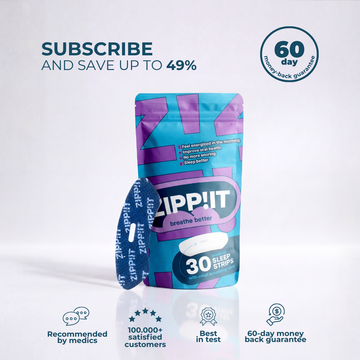
Zippit® mundtape


 Checkout with



Choose your favorite Zippit product and start breathing better today.
🚚 Free shipping on all orders · 🎁 free nasal strips from $40.00 · free storage box from $75.00

 Free shipping on all orders60-day moneyback guaranteeSecure checkout

Do you often wake up with stiff muscles or struggle with recovery after training? Your breathing pattern might be playing a bigger role than you think.
TLDR: Mouth tape promotes nasal breathing during sleep, which improves oxygen uptake by 10-20% and optimizes CO2 balance. This enhanced breathing pattern supports muscle recovery, reduces muscle tension, and may help decrease muscle pain by ensuring muscles receive adequate oxygen during the critical repair phase at night.
Better breathing means better recovery, and better recovery means stronger muscles and improved performance.
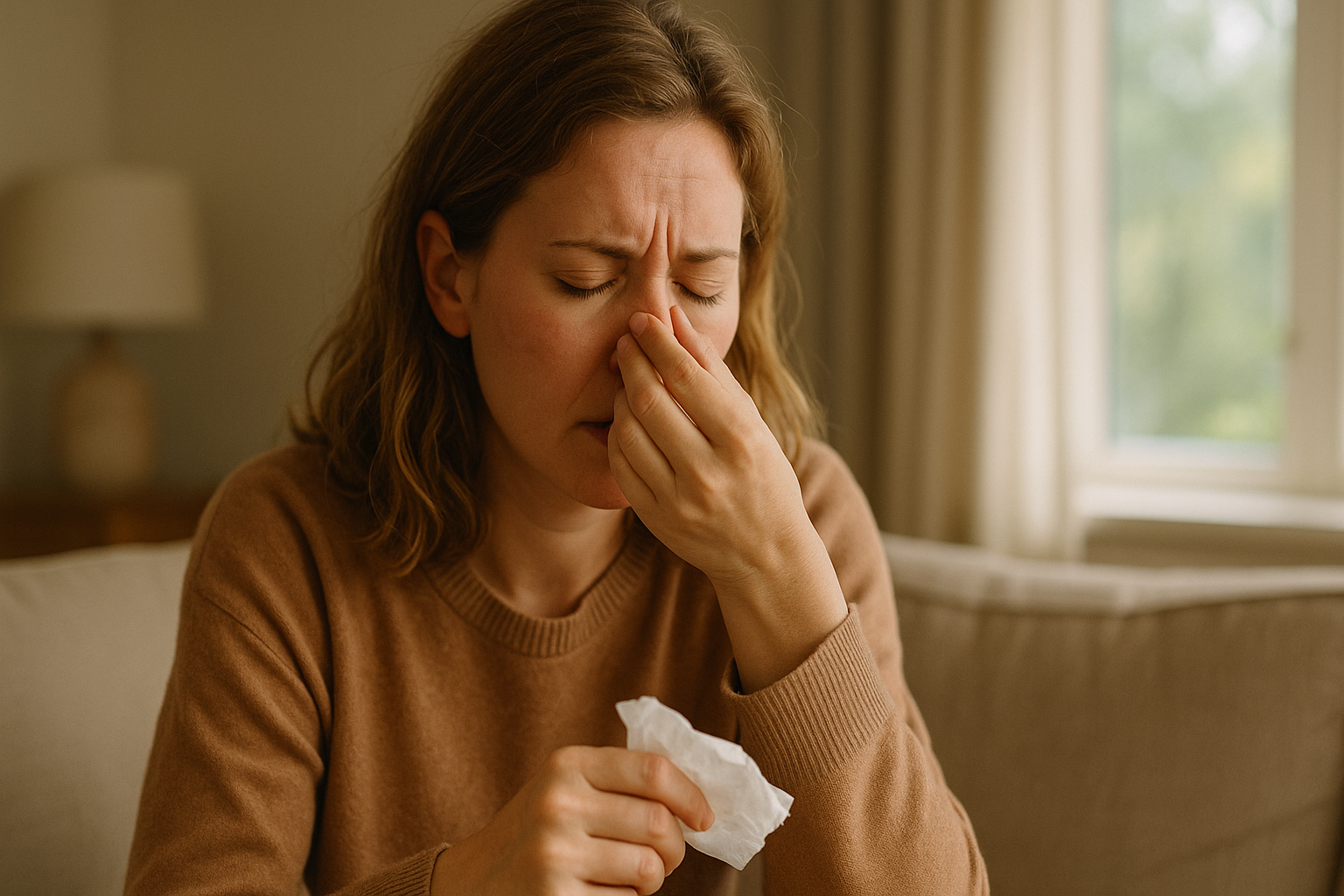
Your muscles need oxygen to function and recover. During sleep, your body performs crucial repair work: damaged muscle fibers are rebuilt, waste products are removed, and energy stores are replenished. This entire process depends on efficient oxygen delivery and carbon dioxide removal.
Nasal breathing optimizes this gas exchange. According to research published in medical literature, nasal breathing increases oxygen saturation and improves overall breathing efficiency. When you breathe through your nose, the air is filtered, warmed, and humidified, creating ideal conditions for oxygen absorption in your lungs.
Mouth breathing during sleep disrupts this process. It often leads to shallow breathing patterns, reduced oxygen uptake, and poor CO2 regulation. These factors can slow down muscle recovery and contribute to morning stiffness and lingering muscle tension.
Muscle tension often stems from inadequate oxygen supply and stress responses in the body. When you breathe through your mouth at night, your body may enter a subtle stress state that prevents deep relaxation. This incomplete relaxation means your muscles cannot fully release tension accumulated during the day.
Zippit mouth tape encourages nasal breathing by gently keeping your lips together during sleep. This simple intervention promotes deeper, more rhythmic breathing that activates the parasympathetic nervous system, your body's rest-and-repair mode.
Benefits for muscle tension include:
Improved oxygen delivery: Nasal breathing increases oxygen uptake by 10-20%, ensuring muscles receive adequate oxygen for repair
Better CO2 balance: Proper carbon dioxide levels help regulate blood pH and improve oxygen release to tissues
Reduced stress hormones: Nasal breathing activates relaxation responses, lowering cortisol levels that can contribute to muscle tension
Enhanced deep sleep: Better breathing quality supports longer periods of restorative deep sleep when most muscle repair occurs
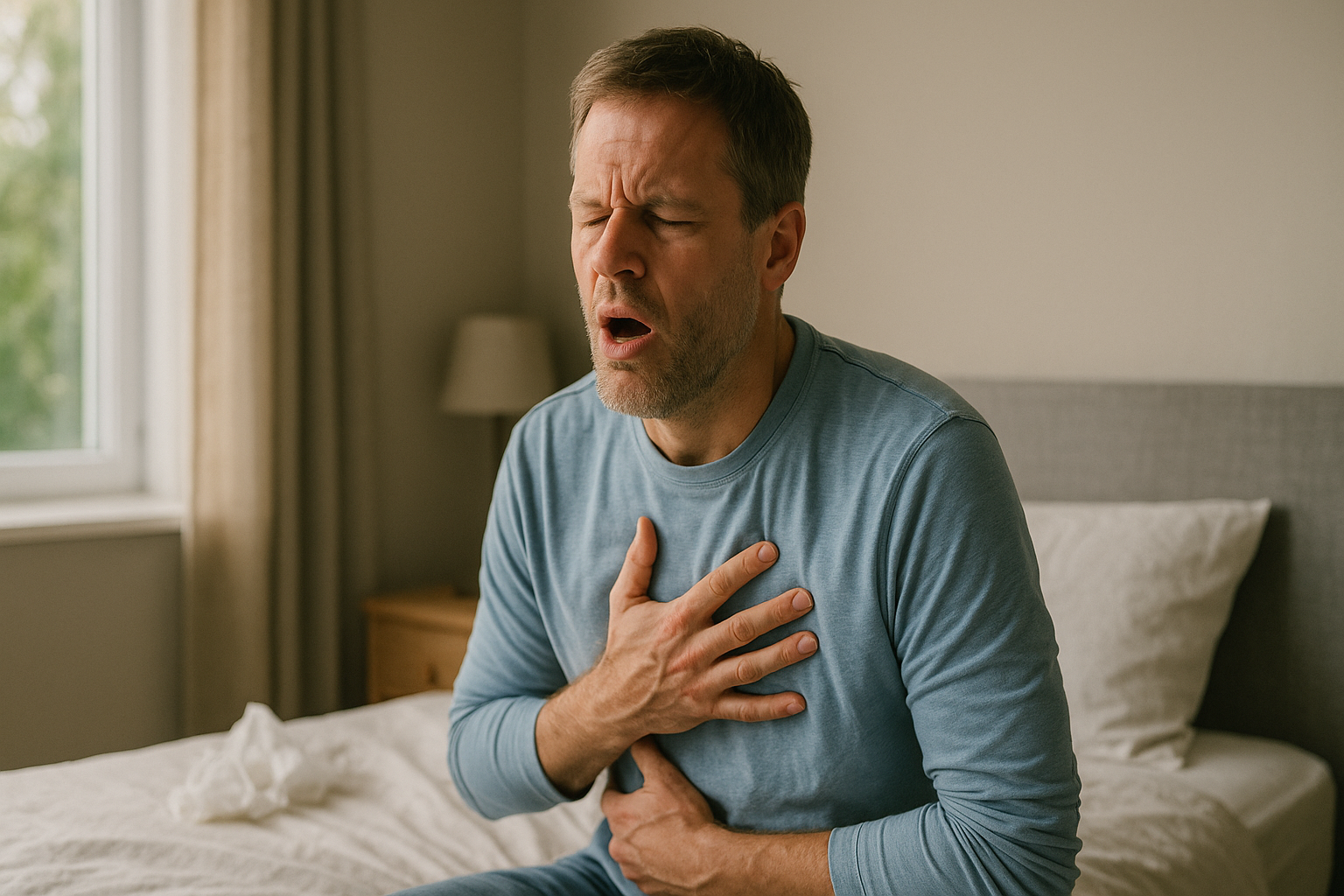
While mouth tape does not directly build muscle strength, it creates the optimal conditions for your muscles to recover and function at their best. Think of it as supporting the foundation rather than constructing the building itself.
Muscle strength develops through a cycle of stress and recovery. You break down muscle fibers during exercise, then your body rebuilds them stronger during rest periods, especially during sleep. The quality of this recovery phase directly impacts your muscle function and strength gains.
Among Zippit users who train regularly, many report feeling less fatigued in the morning and experiencing better performance during workouts. This aligns with the principle that better sleep quality, supported by nasal breathing, enhances the body's ability to repair and strengthen muscle tissue.
Key mechanisms that support muscle function:
Optimized protein synthesis: Deep sleep stages are when protein synthesis peaks, and better breathing supports longer deep sleep periods
Growth hormone release: Quality sleep promotes natural growth hormone production, essential for muscle repair and development
Inflammation reduction: Improved oxygen delivery helps reduce exercise-induced inflammation more efficiently
Muscle pain after exercise, known as delayed onset muscle soreness (DOMS), is a natural part of the training process. However, the duration and intensity of this pain can be influenced by how well your body recovers overnight.
Nasal breathing during sleep may help reduce muscle pain through several pathways. First, better oxygenation helps clear lactic acid and other metabolic waste products from muscle tissue more efficiently. Second, the anti-inflammatory effects of quality sleep are enhanced when breathing is optimal.
Many athletes who use mouth tape from Zippit report noticing improvements in their recovery patterns. While individual experiences vary, the common thread is waking up feeling more refreshed and experiencing less morning stiffness.
For optimal muscle recovery, consider combining mouth tape with these practices:
Maintain consistent sleep schedules to support your body's natural repair rhythms
Stay hydrated throughout the day to support oxygen transport to muscles
Practice nasal breathing during daytime activities to strengthen the habit
Combine with proper nutrition to provide building blocks for muscle repair
Want to learn more about breathing and recovery? Read our guide on how mouth tape supports your breathing and lung function.
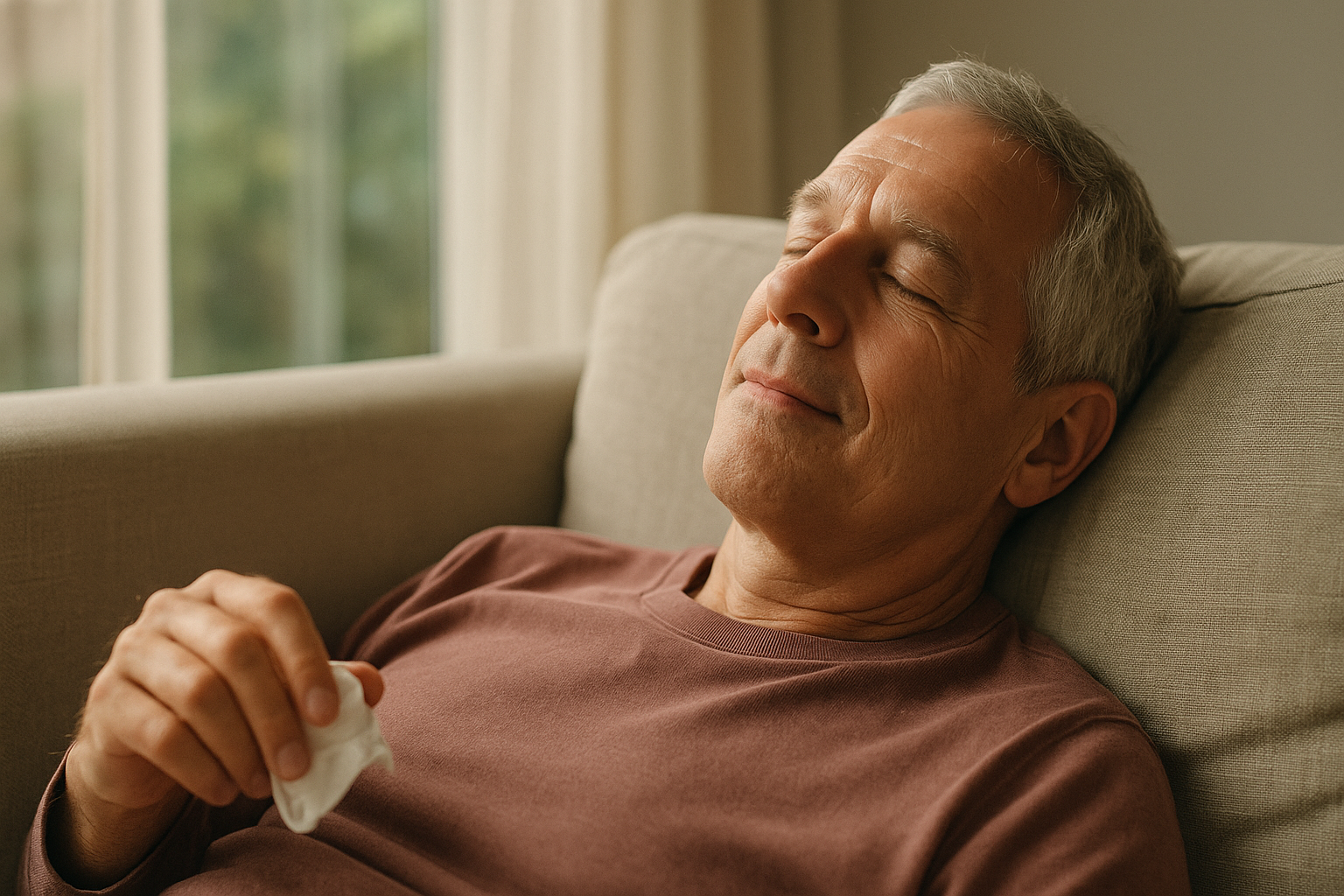
Muscle coordination requires precise communication between your nervous system and muscles. This communication depends on adequate oxygen supply to both your brain and muscle tissue. When breathing is compromised during sleep, this can affect daytime coordination and motor control.
Quality sleep supported by nasal breathing helps maintain optimal neuromuscular function. Your brain consolidates motor learning during sleep, storing the movement patterns you practiced during the day. Disrupted sleep from mouth breathing can interfere with this consolidation process.
Athletes and active individuals often notice that after a poor night's sleep, their coordination feels off. Movements that usually feel automatic require more conscious effort. This is partly due to insufficient oxygen delivery during sleep affecting both muscle recovery and neural processing.
| Aspect | Mouth Breathing | Nasal Breathing |
|---|---|---|
| Oxygen Uptake | Reduced efficiency, shallow breathing | 10-20% improvement in oxygen absorption |
| CO2 Regulation | Imbalanced, may reduce oxygen release | Optimal CO2 levels for oxygen delivery |
| Sleep Quality | More interruptions, lighter sleep | Deeper, more restorative sleep |
| Muscle Recovery | Slower, incomplete repair | Enhanced repair and reduced inflammation |
| Morning Muscle Tension | Common, prolonged stiffness | Reduced tension, better mobility |
| Stress Response | Activates sympathetic nervous system | Activates parasympathetic (rest mode) |
When to choose mouth tape for muscle support? If you wake up with muscle stiffness, experience slow recovery after training, or notice that your performance suffers after poor sleep, mouth tape may help optimize your breathing pattern during rest.
Discover more about the difference in our article on nasal breathing vs mouth breathing for your health.
If you want to try mouth tape to enhance your muscle recovery and reduce muscle tension, follow these practical steps for safe and effective use:
Start gradually: Begin by using mouth tape for short daytime naps to get comfortable with the sensation before using it for full nights
Ensure nasal breathing is possible: Before using mouth tape, verify that you can breathe comfortably through your nose. If you have significant congestion, address this first
Apply horizontally: Place the tape horizontally across your closed lips, ensuring your mouth can still open slightly if needed
Time it with recovery days: When first starting, consider using mouth tape on rest days when you are not recovering from intense training
Track your progress: Note how you feel each morning in terms of muscle stiffness, energy levels, and overall recovery quality
Mouth tape is a breathing aid, not a medical treatment. If you have sleep apnea, severe allergies, or respiratory conditions, consult with a healthcare professional before use.
Key Takeaway: Mouth tape supports muscle health indirectly by optimizing breathing during sleep, which enhances oxygen delivery, improves recovery quality, and may help reduce muscle tension and pain.
Better breathing during sleep creates the foundation for optimal muscle recovery, reduced tension, and improved performance. By encouraging nasal breathing with mouth tape, you give your muscles the oxygen-rich environment they need to repair and strengthen effectively.
The connection between breathing and muscle health is clear: when you breathe better, you recover better. And when you recover better, your muscles function at their best, with less pain, better coordination, and greater strength over time.
Ready to experience the difference? Try Zippit mouth tape tonight and wake up to muscles that feel refreshed, relaxed, and ready to perform.
Mouth tape and muscle recovery: how does better breathing support your muscles?

How does mouth tape affect your mouth, jaw and teeth?
Discover how mouth tape protects your teeth, gums, and jaw alignment by encouraging nasal breathing during sleep and preventing the harmful effects of dry mouth.
How to use mouth tape safely for better sleep: a step-by-step guide
Learn how to use mouth tape safely and effectively for better sleep, reduced snoring, and improved breathing with this complete step-by-step guide.

