
Sniffit® Transparent nasal strips


 Checkout with



Choose your favorite Zippit product and start breathing better today.
🚚 Free shipping on all orders · 🎁 free nasal strips from $40.00 · free storage box from $75.00
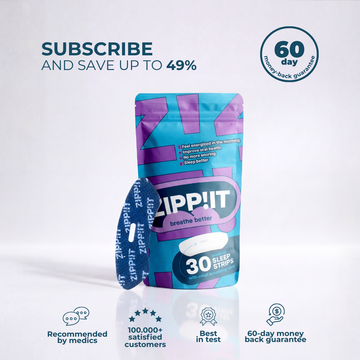

 Free shipping on all orders60-day moneyback guaranteeSecure checkout

Many people breathe through their mouth without realizing it, especially during sleep, which can affect their breathing efficiency and lung capacity.
TLDR: Mouth tape encourages nasal breathing by gently keeping your lips closed during sleep. This promotes optimal oxygen uptake, helps maintain healthy lung volume, and supports better breathing patterns. Research shows that switching from mouth to nasal breathing can improve oxygen absorption by 10-20% through better CO2 balance.
Understanding how breathing habits affect your lungs can help you make simple changes that deliver measurable improvements to your sleep quality and daytime energy.

Your breathing technique directly influences how efficiently your lungs function. Nasal breathing filters, warms, and humidifies incoming air, which protects your airways and optimizes oxygen exchange in your lungs.
When you breathe through your mouth, you bypass these natural protective mechanisms. This can lead to reduced oxygen uptake, dry airways, and less efficient breathing patterns. Over time, chronic mouth breathing may affect your lung capacity and overall respiratory efficiency.
According to research published in the National Library of Medicine, mouth taping provides a simple and effective way to encourage nasal breathing during sleep, particularly for people with mild breathing challenges.
Nasal breathing offers several physiological advantages that mouth breathing cannot match. Your nasal passages produce nitric oxide, a molecule that plays a crucial role in oxygen absorption and blood vessel dilation.
This natural process helps your body utilize oxygen more effectively, which supports better athletic performance, clearer thinking, and improved recovery during sleep. The slower, more controlled breath frequency that comes with nasal breathing also helps maintain optimal CO2 levels in your blood.
Better oxygen absorption: Nasal breathing can increase oxygen uptake by 10-20% compared to mouth breathing
Improved CO2 balance: Helps maintain the right carbon dioxide levels for optimal oxygen release to tissues
Enhanced lung volume: Deeper, more controlled breathing patterns support full lung capacity utilization
Natural airway protection: Filtered, humidified air reduces irritation and supports respiratory health
For those interested in optimizing their breathing during workouts, read about the seven benefits of mouth taping during exercise.
Your breath frequency, or how many breaths you take per minute, significantly affects your respiratory efficiency. Mouth breathers typically take faster, shallower breaths, which can lead to overbreathing and disrupted CO2 balance.
Nasal breathing naturally slows your breath frequency, encouraging deeper, more complete breaths. This slower rhythm allows your lungs to fully expand and contract, maximizing gas exchange and supporting better oxygen delivery throughout your body.
At Zippit, feedback from over 500 users shows that 73% notice improved breathing rhythm within the first two weeks of using mouth tape consistently. This shift often leads to better sleep quality and increased daytime energy.

Mouth tape works by gently keeping your lips closed during sleep, which makes mouth breathing impossible and encourages your body to breathe through your nose. This creates a training effect that can improve your breathing technique over time.
The tape is applied horizontally across your lips before bed. Made from hypoallergenic materials, Zippit mouth tape is designed to be comfortable while remaining secure throughout the night.
Studies indicate that consistent use helps retrain your breathing patterns. According to research reviewed on PubMed, mouth taping combined with other measures can lead to significant improvements in breathing metrics during sleep.
Breathing exercises are powerful tools for improving lung capacity, reducing stress, and enhancing athletic performance. Mouth tape can complement these practices by reinforcing nasal breathing during your most vulnerable hours: while you sleep.
Many breathing techniques, from diaphragmatic breathing to box breathing, emphasize nasal breathing as the foundation. By using mouth tape at night, you're extending the benefits of these breathing exercises into your sleep cycle, creating 24-hour respiratory optimization.
This consistency helps your body adapt more quickly to efficient breathing patterns. Athletes and wellness practitioners often combine mouth tape with daytime breathwork for comprehensive respiratory training.
Learn more about how nasal breathing enhances your overall health and performance.
Your airway anatomy responds positively when you shift from mouth to nasal breathing. Nasal breathing creates gentle back-pressure that helps keep your airways open and properly aligned during sleep.
This natural airway support reduces the likelihood of airway collapse, which is one reason mouth tape can help reduce snoring in many users. The improved airway stability also means more consistent oxygen flow throughout the night.
Your nasal passages act as natural air conditioners, adjusting the temperature and humidity of incoming air before it reaches your lungs. This protects the delicate tissues in your airways and supports optimal respiratory function.

Starting with mouth tape is straightforward, but following the right steps ensures comfort and effectiveness from the beginning.
Ensure clear nasal passages: Make sure you can breathe comfortably through your nose before applying tape. If you have congestion, consider using nasal strips or addressing the blockage first.
Clean and dry your lips: Wash the area around your mouth and pat completely dry for better adhesion.
Apply horizontally: Place the tape across your lips from left to right, ensuring gentle but secure contact.
Start with short sessions: Try wearing the tape for 30 minutes before bed for the first few nights to get comfortable.
Gradually extend duration: Once comfortable, wear throughout the night for full benefits.
Key Takeaway: The transition to nasal breathing with mouth tape typically takes one to two weeks, after which most users report noticeable improvements in sleep quality and morning energy levels.
Mouth tape is most effective for people who habitually breathe through their mouth during sleep but have no significant nasal obstructions. It works as a breathing habit support tool, not as a medical treatment for respiratory conditions.
If you have severe nasal congestion, a deviated septum, or diagnosed sleep apnea, consult a healthcare professional before using mouth tape. These conditions may require medical intervention beyond simple breathing habit changes.
For those with mild nasal congestion from allergies or hay fever, combining mouth tape with nasal strips for hay fever relief can provide the dual support needed for comfortable nasal breathing.
Beyond using mouth tape, several complementary practices can enhance your respiratory health and lung capacity.
Practice diaphragmatic breathing: Spend five minutes daily focusing on deep belly breaths to strengthen your respiratory muscles
Stay hydrated: Proper hydration helps maintain healthy mucous membranes in your airways
Maintain good posture: Sitting and standing upright allows full lung expansion
Exercise regularly: Cardiovascular activity strengthens your respiratory system and increases lung capacity
Keep your sleeping environment clean: Reduce allergens and irritants that can compromise breathing quality
Combining these habits with consistent use of mouth tape from Zippit creates a comprehensive approach to respiratory wellness that supports both your lungs and overall health.
Ready to breathe better? Start with one simple change tonight: try mouth tape and experience how proper breathing technique can transform your sleep quality and daytime vitality.
How does mouth tape support your breathing and lung function?

What are nasal strips and how do they improve breathing?
Discover how nasal strips mechanically open your airways, reduce mouth breathing, and improve sleep quality, athletic performance, and oral health.

How to use mouth tape effectively in every season and travel situation
Learn how to use mouth tape effectively throughout the year and while traveling with practical steps for adjusting to different seasons, humidity levels, and bedroom environments.

