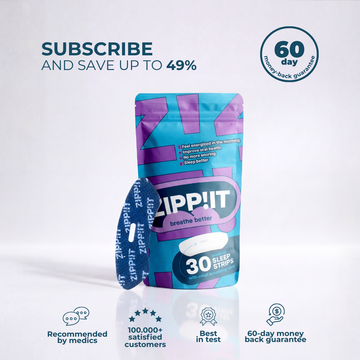
Zippit® mundtape

Choose your favorite Zippit product and start breathing better today.
🚚 Free shipping on all orders · 🎁 free nasal strips from $40.00 · free storage box from $75.00

 Free shipping on all orders60-day moneyback guaranteeSecure checkout

Struggling to maintain a consistent sleep routine that actually improves your rest and energy levels?
TLDR: Integrating mouth tape into your evening and morning routine encourages nasal breathing throughout the night, which can reduce snoring by 60-70% in users with mild snoring problems, improve sleep quality, and help you wake up feeling more refreshed. By following a simple preparation routine before bed and a mindful removal process in the morning, you create healthy sleep habits that support your circadian rhythm and overall wellbeing.
Establishing consistent daily rhythms around sleep is one of the most powerful ways to enhance your health, yet many people overlook the role breathing plays in this equation.
Your evening routine sets the foundation for restorative sleep. Research demonstrates that consistent pre-sleep rituals help regulate your circadian rhythm, the internal clock that governs when you feel alert and when you feel sleepy. When you establish predictable evening habits, your body begins preparing for sleep at the same time each night.
Mouth breathing during sleep disrupts this natural process. According to research published in the journal Sleep Medicine, mouth-taping during sleep improved snoring and the severity of sleep apnea in mouth-breathers with mild OSA, with measurements being reduced by about half.
By incorporating mouth tape into your nightly routine, you create a consistent signal to your body that it's time to shift into nasal breathing mode. This simple addition supports:
Better oxygen uptake through optimized breathing patterns
Reduced snoring that can disrupt your sleep cycles
Less dry mouth and throat irritation upon waking
More consistent sleep patterns aligned with your daily rhythm
Proper skin preparation ensures the tape adheres comfortably throughout the night while protecting your skin. This step takes just two minutes but makes a significant difference in your experience.
Cleanse your face: Wash your face with lukewarm water and a gentle cleanser, paying special attention to the area around your lips. Remove any moisturizer, lip balm, or skincare products from your lips and the surrounding skin.
Dry thoroughly: Pat your skin completely dry with a clean towel. Any moisture will reduce adhesion and may cause the tape to come loose during the night.
Check for irritation: If you're using mouth tape for the first time, test a small piece on your hand for 30 minutes to ensure you don't have sensitivity to the adhesive.
For more guidance on safe application practices, see our article on mouth tape for better sleep: safe and effective use.

The correct application method ensures comfort and effectiveness throughout the night. Zippit mouth tape is designed specifically for horizontal application across the lips.
Position the tape: Place the tape horizontally across your closed lips, from left to right. The tape should cover your mouth gently but completely.
Press gently: Use your fingers to press the tape lightly against your skin, ensuring good contact without stretching or pulling.
Breathe through your nose: Take a few deep breaths through your nose to confirm you're comfortable. If you feel any restriction, ensure your nasal passages are clear before proceeding.
Important: Never apply mouth tape vertically. Horizontal application is the only safe and effective method, as it gently encourages lip closure without restricting jaw movement.

The ritual you build around applying mouth tape can become a powerful sleep signal. By consistently pairing mouth tape with calming activities, you strengthen your evening routine and support your circadian rhythm.
Consider this sequence as part of your nightly habits:
60 minutes before bed: Dim lights and reduce screen time to support melatonin production
30 minutes before bed: Complete your skincare routine and prepare your sleeping environment
15 minutes before bed: Practice light stretching or breathing exercises to promote relaxation
5 minutes before bed: Apply mouth tape and settle into bed with a book or meditation
This consistent timing helps your body recognize bedtime is approaching, making it easier to fall asleep. Learn more about how breathing patterns affect sleep in our guide on how mouth tape supports your breathing and lung function.
How you remove mouth tape in the morning is just as important as how you apply it. Proper removal protects your skin and helps you start the day feeling comfortable and refreshed.
Moisten if needed: If the tape feels very adherent, dampen it slightly with water using your fingertips. This loosens the adhesive and prevents skin irritation.
Peel slowly: Remove the tape slowly and gently, pulling parallel to your skin rather than away from it. Never rip or pull quickly.
Cleanse your skin: Wash your face with lukewarm water to remove any adhesive residue and refresh your skin.
Apply moisturizer: Use a gentle lip balm or moisturizer to soothe the skin and maintain hydration.
If you're interested in mouth tape with added skincare benefits, try collagen mouth tape from Zippit, which supports skin health while you sleep.

Monitoring how mouth tape affects your sleep quality helps you optimize your daily rhythm and lifestyle habits. Keep track of these indicators for two to four weeks:
Morning energy levels: Do you wake up feeling more rested and alert?
Dry mouth reduction: Is your mouth and throat less dry upon waking?
Snoring feedback: If you have a partner, ask if they've noticed reduced snoring
Sleep consistency: Are you falling asleep and waking at more regular times?
Feedback from over 500 Zippit users shows that most people notice improvements in sleep quality within two to three weeks of consistent use. The key is making mouth tape a non-negotiable part of your evening routine, just like brushing your teeth.
Key Takeaway: Consistency matters more than perfection. Even if you miss a night occasionally, returning to your routine helps maintain the benefits.
Your circadian rhythm controls far more than just sleep and wake times. It influences hormone production, body temperature, digestion, and energy levels throughout the day. Quality sleep driven by proper nasal breathing strengthens this internal clock.
When you breathe through your nose during sleep, you optimize oxygen and carbon dioxide exchange. This supports deeper, more restorative sleep phases where your body repairs tissues, consolidates memories, and regulates hormones. The result is better daytime energy and cognitive function.
Many users report that incorporating mouth tape into their sleep habits creates a positive cascade effect on other lifestyle choices:
Better morning energy makes it easier to exercise regularly
Improved sleep reduces cravings for sugar and caffeine
Consistent sleep schedules improve mood and stress resilience
Enhanced recovery supports better athletic performance and muscle development
To understand more about the broader health benefits of nasal breathing, read our article on nasal breathing vs mouth breathing: which is better for your health and immunity.
Like any new habit, integrating mouth tape may come with initial challenges. Here's how to overcome the most common obstacles:
Challenge 1: Feeling claustrophobic
Start by wearing the tape for just 30 minutes before sleep while you're still awake and reading or watching television. Gradually extend the time over several nights until you're comfortable wearing it all night.
Challenge 2: Nasal congestion
If your nose feels blocked, you may need to address the underlying cause before using mouth tape consistently. Consider using nasal strips alongside mouth tape to open your airways. Learn more about this combination approach in our comparison of mouth tape vs nasal strips: which breathing aid is right for you.
Challenge 3: Skin sensitivity
If you experience redness or irritation, ensure you're removing the tape gently with moisture. You might also try applying a thin layer of facial oil around (not on) your lips before bed to create a protective barrier.
Challenge 4: Inconsistent routine
Set a phone reminder for your evening routine. Place your mouth tape next to your toothbrush as a visual cue. Pair it with an existing habit you never skip to strengthen the association.
While mouth tape is a powerful tool for improving sleep quality, it works best as part of a comprehensive approach to sleep hygiene and healthy lifestyle habits. Consider these additional practices:
Maintain consistent sleep and wake times: Go to bed and wake up at the same time every day, even on weekends, to strengthen your circadian rhythm
Create a sleep-friendly environment: Keep your bedroom cool (around 18 degrees Celsius), dark, and quiet
Limit caffeine and alcohol: Avoid caffeine after 2 PM and limit alcohol in the evening, as both disrupt sleep architecture
Exercise regularly: Physical activity during the day promotes deeper sleep, but avoid intense exercise within three hours of bedtime
Manage stress: Practice relaxation techniques like meditation, journaling, or gentle yoga as part of your evening routine
These habits work synergistically with nasal breathing to create a foundation for restorative sleep and optimal daily performance.
Integrating mouth tape into your evening and morning routines is a simple yet powerful way to support better sleep, stronger daily rhythms, and improved overall health. By following the step-by-step approach outlined above, you create sustainable habits that work with your body's natural processes.
Remember that building new habits takes time. Give yourself at least two to three weeks of consistent practice before evaluating the full benefits. Most users report that mouth tape becomes as automatic as brushing their teeth once they've established the routine.
Ready to get started? Try mouth tape from Zippit tonight and experience the difference that nasal breathing can make to your sleep quality and morning energy levels.
How to integrate mouth tape into your evening and morning routine for better sleep
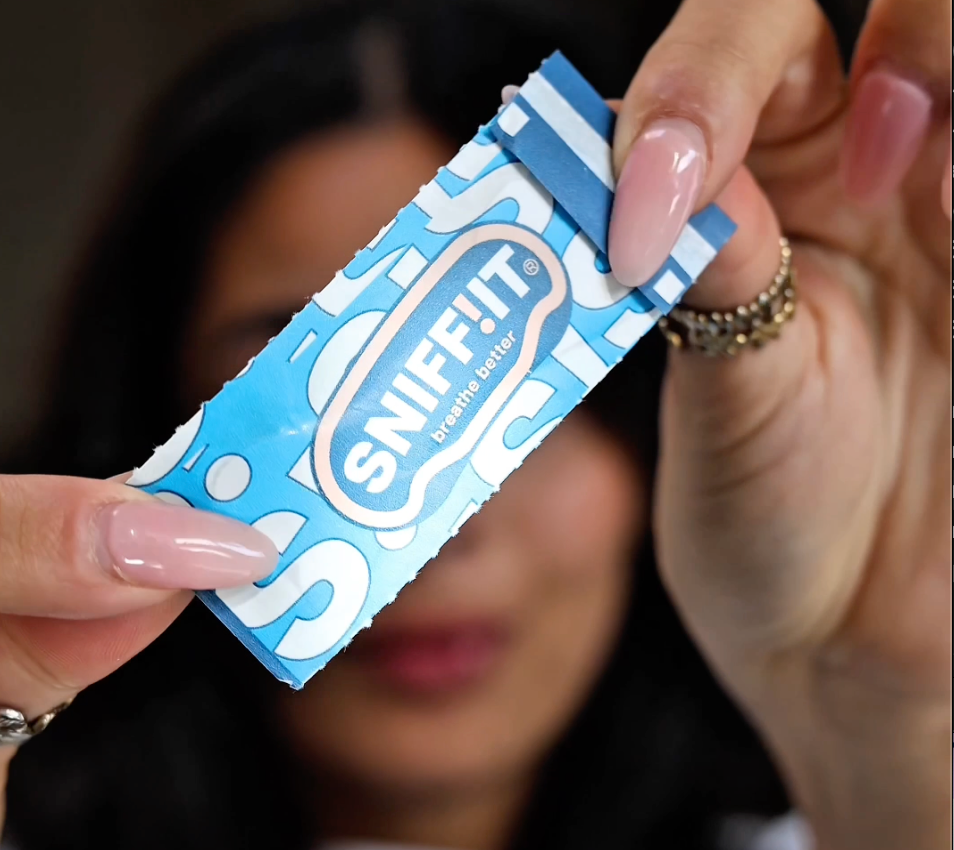
How to use nasal strips for stress relief and better focus: a step-by-step guide
Learn how to use nasal strips to reduce stress, calm anxiety, and improve focus through optimized nasal breathing—complete with step-by-step application instructions and breathing techniques.
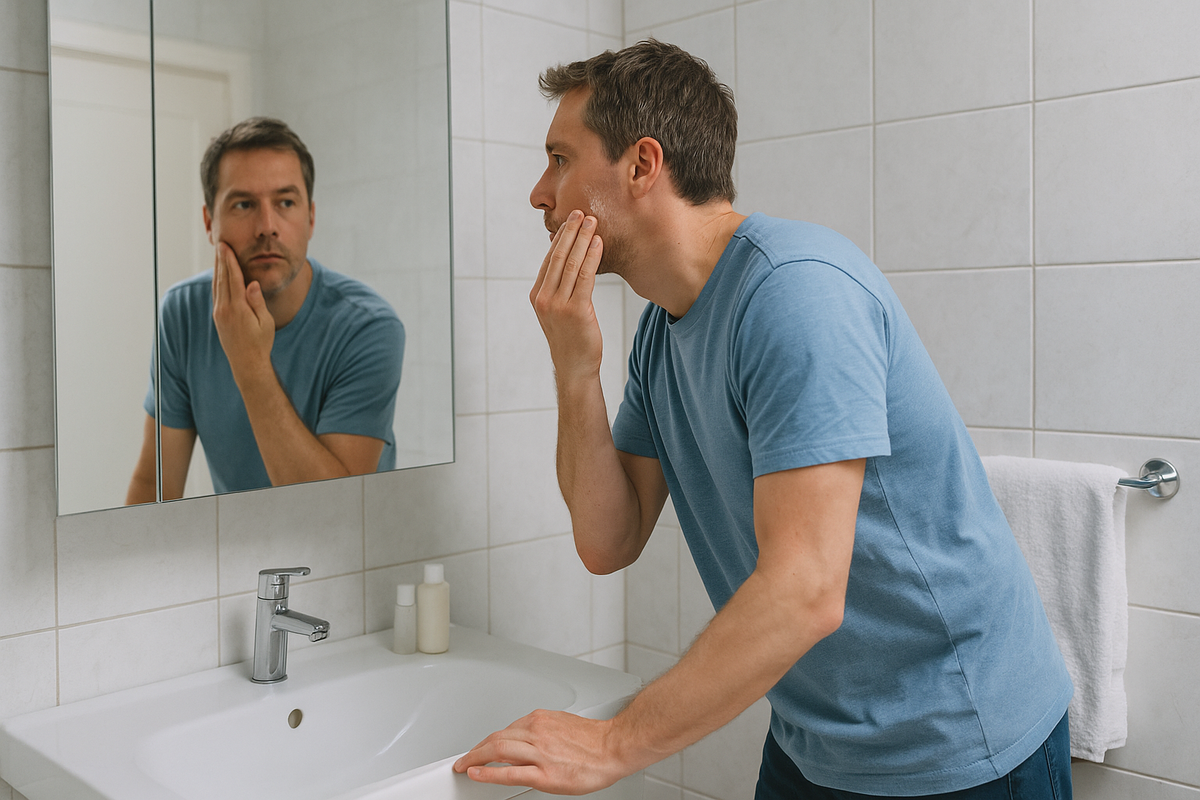
What is mouth breathing and how does it affect your lifestyle and habits?
Discover what mouth breathing is, how it disrupts your sleep and daily routines, and practical steps to restore nasal breathing for better health and consistent lifestyle habits.

