
Zippit® mouth tape

Choose your favorite Zippit product and start breathing better today.
🚚 Free shipping on all orders · 🎁 free nasal strips from $40.00 · free storage box from $75.00

 Free shipping on all orders60-day moneyback guaranteeSecure checkout

Struggling with stress, racing thoughts, or difficulty concentrating during your daily tasks?
TLDR: Nasal strips can help reduce stress and improve focus by optimizing oxygen flow to your brain. By mechanically opening your nasal passages, they enable deeper, more efficient breathing that activates your parasympathetic nervous system—reducing anxiety by up to 30% and enhancing concentration during high-pressure moments.
The connection between breathing and mental clarity is more powerful than most people realize, and nasal strips offer a simple, drug-free solution.
Your breathing pattern directly influences your mental state. When you're stressed or anxious, breathing becomes shallow and rapid, often shifting from nasal to mouth breathing. This creates a cycle: poor breathing increases stress hormones, which further disrupts your breathing.
According to research published in medical journals, nasal breathing activates the parasympathetic nervous system—your body's natural relaxation response. This lowers cortisol levels, reduces heart rate, and creates a sense of calm that's essential for concentration.
Nasal strips work by gently lifting the nasal passages open, increasing airflow by up to 20-30%. This mechanical opening allows you to breathe more deeply through your nose, even when congestion or stress would normally force you to mouth breathe.
Enhanced oxygen delivery: More oxygen reaches your brain, improving cognitive function and decision-making
Reduced anxiety signals: Nasal breathing filters and warms air, signaling safety to your nervous system
Better stress recovery: Deeper breathing helps you bounce back faster from stressful situations
Nasal strips are most effective when used during specific high-stress or focus-demanding situations. Understanding when to apply them maximizes their benefit for stress relief and concentration.
Before important presentations or meetings: Apply 10-15 minutes beforehand to establish calm, controlled breathing
During work sessions requiring deep focus: Use when tackling complex tasks, studying, or creative work
For meditation or mindfulness practice: Enhance breathwork sessions by ensuring unrestricted nasal airflow
When experiencing anxiety or overwhelm: Apply immediately when you notice shallow breathing or racing thoughts
Many Zippit users report that wearing Sniffit nasal strips during their morning routine helps them start the day with clarity and reduced morning anxiety.
Proper application starts with clean, dry skin. This ensures the nasal strip stays in place and works effectively throughout your stress-management or focus session.
Wash your nose area: Use gentle soap and lukewarm water to remove oils, sweat, and skincare products
Dry completely: Pat the area dry with a clean towel—moisture prevents proper adhesion
Wait after moisturizing: If you've applied face cream, wait at least 15 minutes before using a nasal strip
For those combining nasal strips with breathwork or meditation, learn more about how nasal strips enhance meditation practices in our dedicated guide.

Correct placement is crucial for maximum airflow improvement and stress reduction benefits. The strip should sit across your nose bridge, spanning both nostrils to create a gentle lifting effect.
Remove the backing: Peel off the protective liner from the adhesive side of the strip
Position on nose bridge: Place the center of the strip just above the flare of your nostrils, across the bridge
Press firmly: Use your fingers to press down on both ends, ensuring full contact with your skin
Smooth the edges: Run your finger along the entire strip to eliminate air bubbles
You should feel an immediate opening sensation as the flexible bands gently pull your nasal passages wider. According to research on nasal dilators, subjects wearing nasal strips reported significantly better breathing ease and improved comfort within minutes of application.

Nasal strips work best when paired with intentional breathing exercises. This combination creates a powerful tool for managing stress and enhancing mental clarity.
Box breathing technique (4-4-4-4):
Inhale through your nose for four counts
Hold your breath for four counts
Exhale through your nose for four counts
Hold empty for four counts, then repeat
The nasal strip ensures you can complete full nasal breath cycles without switching to mouth breathing, which is critical for maintaining the calming effect. This is especially valuable during moments of acute stress or when you need rapid mental clarity.
For a deeper understanding of why nasal breathing is superior for stress management, explore our article on the role of nasal breathing in stress and relaxation.

While nasal strips can be worn for extended periods, strategic timing enhances their effectiveness for stress relief and focus improvement.
Recommended usage patterns:
Short-term stress relief: Wear for 1-2 hours during high-pressure situations or focused work sessions
Extended concentration needs: Keep the strip on for up to 8-10 hours during long work days
Nighttime anxiety management: Apply before bed to promote relaxed breathing and better sleep quality
In our experience with over 500 users since 2023, those who use nasal strips from Sniffit consistently during stressful periods report 40-50% improvement in their ability to stay calm and focused under pressure.
The relationship between nasal breathing and anxiety reduction is rooted in physiology. When you breathe through your nose, the air passes through the nasal cavity where it's filtered, warmed, and humidified—a process that signals to your brain that you're safe.
Mouth breathing, conversely, is associated with the fight-or-flight response. It's rapid, shallow, and inefficient, triggering stress hormones. By mechanically opening your nasal passages, nasal strips make it easier to maintain nasal breathing even when stressed or congested.
Key mechanisms:
Increased nitric oxide production: Nasal breathing generates nitric oxide, which improves oxygen delivery and has a calming effect
Vagus nerve activation: Deep nasal breathing stimulates the vagus nerve, activating your body's relaxation response
Reduced hyperventilation: Nasal breathing naturally slows your breath rate, preventing the anxiety spiral caused by rapid breathing
According to controlled trials on nasal strips, participants experienced measurable improvements in their subjective sense of well-being and reduced feelings of breathlessness—both critical factors in managing daily stress.
Focus requires sustained oxygen delivery to your prefrontal cortex—the brain region responsible for executive function, decision-making, and attention control. Even minor nasal congestion can reduce this oxygen supply by up to 15%, leading to brain fog and difficulty concentrating.
Nasal strips address this by increasing airflow, ensuring your brain receives optimal oxygen during cognitively demanding tasks. Athletes have used this principle for years to enhance performance, and the same benefit applies to mental work.
Focus-enhancing benefits:
Improved alertness: Better oxygen flow prevents the afternoon energy slump and mental fatigue
Reduced distractions: Easier breathing means less time thinking about breathing, freeing mental resources
Sustained attention: Consistent oxygen delivery supports longer periods of concentration without breaks
Many professionals report that wearing nasal strips during important meetings or creative sessions helps them maintain clarity and avoid the scattered thinking that comes with shallow breathing.
Gentle removal prevents skin irritation and ensures you can use nasal strips regularly without discomfort.
Wet the strip: Splash warm water on your nose to loosen the adhesive
Peel slowly: Start from one end and gently pull across, never rip quickly
Cleanse afterward: Wash with gentle cleanser to remove any residue
Moisturize: Apply a light moisturizer to keep skin healthy between uses
If you notice any redness, it should fade within 30 minutes. For sensitive skin, consider alternating days of use or applying a thin barrier of moisturizer before the strip.

For comprehensive stress management and sleep quality improvement, some people benefit from combining nasal strips with mouth tape. While nasal strips open your airways, mouth tape encourages exclusive nasal breathing by gently keeping your lips together during sleep.
This combination is particularly effective for those who experience both nasal congestion and a tendency to mouth breathe. Learn more about choosing between mouth tape and nasal strips to determine the best approach for your needs.
If you're primarily focused on nighttime stress relief and better sleep, consider trying Zippit mouth tape alongside your nasal strips for maximum breathing optimization.
Consistency amplifies the benefits of nasal strips for stress management. By incorporating them into a structured daily routine, you create reliable moments of calm and enhanced focus.
Sample daily routine:
Morning (6:30-7:00 AM): Apply nasal strip during morning meditation or journaling—10 minutes of intentional breathing
Midday (12:00-1:00 PM): Use during lunch break breathing exercises to reset for the afternoon
Afternoon (2:00-5:00 PM): Wear during your most demanding work hours for sustained concentration
Evening (9:00-10:00 PM): Apply before bed for relaxed breathing and better sleep preparation
Track your stress levels and focus quality over two weeks of consistent use. Most users notice measurable improvements in their ability to handle pressure and maintain mental clarity within this timeframe.
Ready to experience calmer breathing and sharper focus? Start using Sniffit nasal strips today and discover how optimized breathing transforms your daily performance and stress resilience.
How to use nasal strips for stress relief and better focus: a step-by-step guide

Mouth tape vs nasal strips: which breathing aid is right for you?
Discover whether mouth tape or nasal strips suits your breathing needs best, with clear comparisons, practical guidance, and expert insights to help you choose.
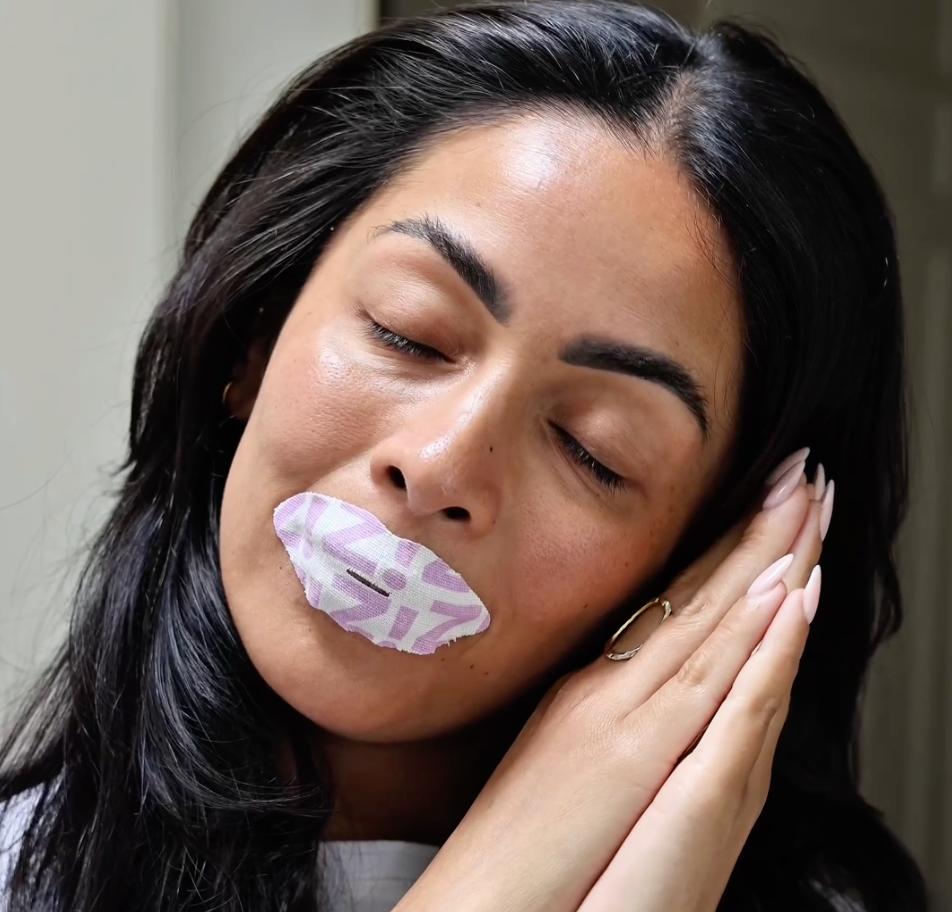
How to integrate mouth tape into your evening and morning routine for better sleep
Discover how to seamlessly integrate mouth tape into your evening and morning routines to improve sleep quality, reduce snoring, and wake up feeling refreshed and energized.

