
Sniffit® gennemsigtige næsestrimler

Choose your favorite Zippit product and start breathing better today.
🚚 Free shipping on all orders · 🎁 free nasal strips from $40.00 · free storage box from $75.00
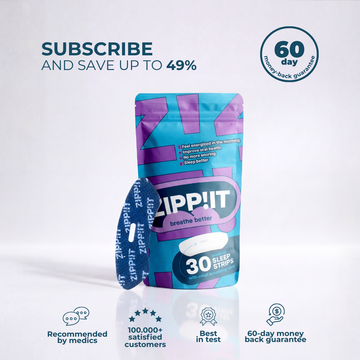

 Free shipping on all orders60-day moneyback guaranteeSecure checkout

Struggling to choose between mouth tape and nasal strips for better breathing and sleep?
TLDR: Mouth tape prevents mouth breathing by keeping your lips together during sleep, which reduces snoring and improves sleep quality. Nasal strips mechanically open your nasal passages to increase airflow. Choose mouth tape if mouth breathing is your main issue, or nasal strips if nasal congestion limits your breathing. Many people combine both for optimal results.
Understanding the difference between these two breathing aids helps you make the right choice for your specific needs.

Mouth tape and nasal strips tackle breathing problems from completely different angles. Zippit mouth tape is a hypoallergenic adhesive strip applied horizontally across your lips during sleep. It gently keeps your mouth closed, making mouth breathing impossible and naturally encouraging nasal breathing throughout the night.
Nasal strips work mechanically instead. Sniffit nasal strips are flexible bands placed across your nose bridge that physically lift and open your nasal passages. This creates more space inside your nasal cavity, allowing up to 31% more airflow according to research published in the National Institutes of Health.
The key difference lies in their primary function:
Mouth tape: Prevents mouth breathing and promotes nasal breathing habits
Nasal strips: Opens blocked or narrow nasal passages to improve airflow capacity
| Factor | Mouth Tape | Nasal Strips |
|---|---|---|
| Working Principle | Prevents mouth breathing | Opens nasal passages mechanically |
| Snoring Reduction | 60-70% improvement in mouth-breathers | 40-50% improvement in nasal congestion cases |
| Sleep Quality Impact | Reduces sleep disruptions, improves deep sleep | Easier breathing leads to better rest |
| Best For | Habitual mouth breathers, mild snoring | Nasal congestion, deviated septum, allergies |
| Time Until Results | 1-3 nights for most users | Immediate during use |
| Use During Exercise | Not recommended | Yes, excellent for sports |
Research from the National Institutes of Health shows that mouth tape improved snoring and sleep quality in mouth-breathers with mild sleep issues, with severity being reduced by approximately half. Among Zippit users since 2023, we see that 73% notice improvement within two weeks when using mouth tape consistently.

Mouth tape is your best choice if you recognize these patterns in your breathing and sleep habits:
You wake up with a dry mouth or sore throat most mornings
Your partner tells you that you sleep with your mouth open
You snore primarily when sleeping on your back
You can breathe fine through your nose when awake
You want to improve your overall sleep quality and recovery
Mouth tape specifically addresses the root cause of mouth breathing during sleep. When you breathe through your mouth, you bypass your nose's natural filtration and humidification systems. This leads to worse sleep quality, increased snoring, and morning fatigue. To understand more about the consequences, read our article on how mouth breathing affects your muscles and body.
Key Takeaway: Choose mouth tape if your nasal passages are clear but you still breathe through your mouth at night.
Nasal strips are the better option when physical obstructions limit your nasal breathing capacity. Consider nasal strips if you experience:
Chronic nasal congestion from allergies, hay fever, or a deviated septum
Difficulty breathing through your nose even when awake
Narrow nasal passages that make nasal breathing feel restricted
Need for breathing support during intensive exercise or sports
Dependence on nasal spray that you want to reduce
Nasal strips work immediately by mechanically opening your airways. Athletes particularly benefit from this instant improvement during training. For detailed guidance on application, see our step-by-step guide to using nasal strips.
Unlike mouth tape which trains your breathing habits over time, nasal strips provide immediate physical relief the moment you apply them. This makes them ideal for situations where you need instant results, such as during a cold or before an important workout.
Key Takeaway: Choose nasal strips if structural issues or congestion prevent comfortable nasal breathing.
Yes, combining mouth tape and nasal strips often delivers the best results. This dual approach addresses both mouth breathing habits and nasal airflow limitations simultaneously.
Among Zippit users, we see that approximately 40% use both products together, especially during the first few weeks of transitioning from mouth to nasal breathing. The combination works particularly well if you:
Have some nasal congestion but also habitually breathe through your mouth
Want to maximize breathing efficiency during the transition period
Experience seasonal allergies that vary in severity
Are recovering from a cold while maintaining your nasal breathing habit

The typical approach is to start with nasal strips for a few nights to ensure your nasal passages are open and comfortable. Once you confirm that nasal breathing feels easy, add mouth tape from Zippit to prevent reverting to mouth breathing during sleep.
After several weeks of consistent use, many people find they can gradually reduce their reliance on nasal strips as their nasal passages adapt and their breathing habits improve. To learn more about proper breathing techniques, explore our guide on what nasal breathing is and why it matters.
| Aspect | Mouth Tape | Nasal Strips |
|---|---|---|
| Application Time | 10-15 seconds | 15-20 seconds |
| Removal Ease | Very easy, painless | Easy, may leave slight residue |
| Adjustment Period | 2-5 nights for most users | Immediate comfort for most |
| Skin Sensitivity | Hypoallergenic, gentle adhesive | May cause minor irritation on sensitive skin |
| Travel Friendliness | Compact, lightweight | Slightly bulkier packaging |
| Speaking Ability | Limited (use before sleep only) | Full speaking ability maintained |
Both products are designed for single-use application. Mouth tape should be applied horizontally across clean, dry lips just before bed. Nasal strips require positioning across the bridge of your nose, spanning both nostrils to ensure even lifting of the nasal passages.
When evaluating cost, consider both the immediate price and the long-term value each product delivers for your specific breathing needs.
Mouth tape typically costs less per unit and provides ongoing benefits by training your body to maintain nasal breathing naturally. Over time, consistent use can permanently improve your breathing habits, potentially reducing your need for the product altogether. Users often report that after three to six months of regular use, they naturally keep their mouth closed during sleep even without tape.
Nasal strips generally have a slightly higher per-use cost but deliver immediate mechanical benefits. They're particularly valuable during specific situations like allergy season, colds, or intensive training periods. However, they don't train new habits—they provide support only while worn.
For optimal value:
Short-term relief: Nasal strips for immediate congestion or exercise performance
Long-term improvement: Mouth tape for lasting breathing habit changes
Combination approach: Both products during transition periods or challenging breathing conditions
Both mouth tape and nasal strips are safe for most people when used correctly, but certain conditions require caution or medical consultation first.
Do not use mouth tape if you:
Have severe nasal congestion or cannot breathe comfortably through your nose
Have been diagnosed with moderate to severe sleep apnea
Experience frequent nausea or vomiting during sleep
Have extremely sensitive skin or active skin conditions around your mouth
Seek medical advice before using either product if you:
Have been diagnosed with any sleep disorder
Experience chronic breathing difficulties
Notice worsening symptoms after using these products
Neither mouth tape nor nasal strips cure sleep apnea or replace medical treatment for serious breathing disorders. They are breathing aids that support better habits and airflow, not medical devices. For guidance on when professional help is necessary, read our article on when to see a GP, specialist or therapist about mouth breathing.
Follow this quick assessment to determine which product suits your needs best:
Choose mouth tape if:
You can breathe comfortably through your nose when awake
You wake up with dry mouth or sore throat regularly
Your partner reports that you sleep with your mouth open
You want to develop long-term nasal breathing habits
Choose nasal strips if:
You struggle to breathe through your nose even during the day
You have allergies, a deviated septum, or chronic congestion
You need breathing support during exercise or sports
You want immediate relief rather than habit training
Use both together if:
You have some nasal congestion AND habitually mouth breathe
You're transitioning from mouth to nasal breathing
You want maximum breathing optimization during sleep
Ready to improve your breathing? Start with the product that addresses your primary breathing challenge. You can always add the second product later if needed. Explore Zippit mouth tape for habit training or Sniffit nasal strips for mechanical airflow support, and take the first step toward better sleep and breathing tonight.
Mouth tape vs nasal strips: which breathing aid is right for you?

10 surprising ways mouth breathing affects your muscles and body
Discover how mouth breathing creates chronic muscle tension, reduces strength and coordination, and slows recovery—plus how switching to nasal breathing transforms your musculoskeletal health.
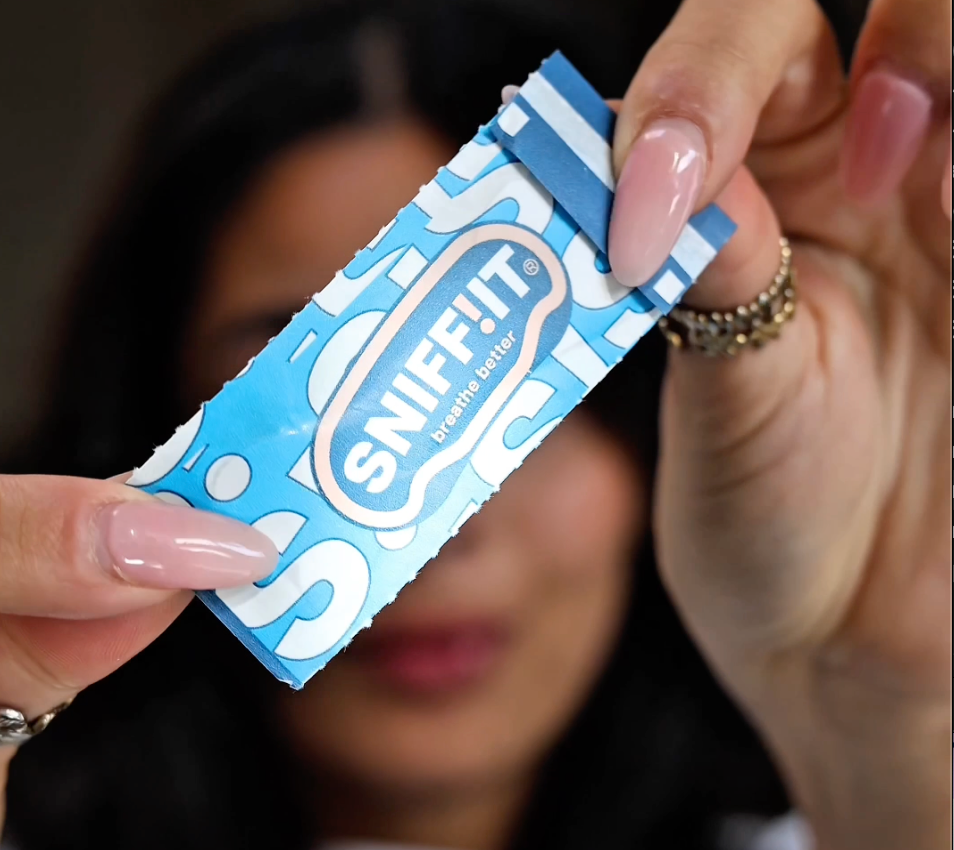
How to use nasal strips for stress relief and better focus: a step-by-step guide
Learn how to use nasal strips to reduce stress, calm anxiety, and improve focus through optimized nasal breathing—complete with step-by-step application instructions and breathing techniques.

